What Does High Pool Filter Pressure Mean?
Signs Your Pool Filter Needs Attention
If you’ve ever looked at the pressure gauge on your pool filter and noticed the reading is higher than usual, you may be wondering whether something is wrong. High pool filter pressure is one of the most common signs that your pool’s filtration system needs attention.
Your pool filter plays an important role in keeping the water clean and clear, but it also needs to allow water to flow through it efficiently. When dirt, debris, oils, and other contaminants accumulate inside the filter, water has a harder time passing through. This can restrict circulation, put additional strain on your pool equipment, and affect overall water quality.
Understanding what your pool filter pressure gauge is telling you can help you recognize potential problems before they turn into bigger maintenance issues.
What Does the Pool Filter Pressure Gauge Tell You?
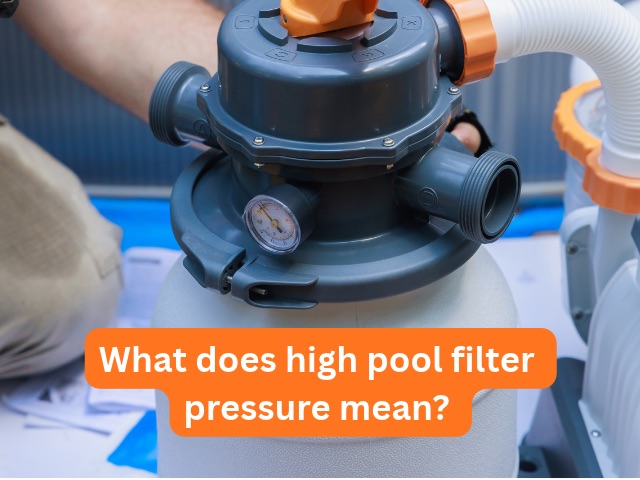
The pressure gauge located on your pool filter measures the water pressure inside the filter tank while the pump is running. It gives homeowners a useful indication of how hard the system is working to move water through the filtration equipment.
However, there isn’t one pressure reading that’s considered normal for every swimming pool. The correct operating pressure depends on your pool equipment, filter type, plumbing configuration, and pump settings.
The best way to monitor your system is to establish a baseline reading when your filter is clean and the circulation system is operating normally. This is often called the clean starting pressure.
Once you know that baseline, you can compare future readings to see whether pressure is gradually increasing.
For example, if your filter normally operates at 12 PSI and the gauge eventually climbs to 20 PSI under the same operating conditions, that increase may indicate that debris has accumulated inside the filter and is restricting water flow.
Many pool professionals use an increase of approximately 8–10 PSI above the clean starting pressure as a general indication that filter cleaning may be needed. However, the manufacturer’s recommendations for your particular filter should always take priority.
The important thing is to watch for changes in pressure rather than relying on a single number.
What Causes High Pool Filter Pressure?
The most common reason for high pool filter pressure is a dirty or clogged filter. As the filter collects dirt, leaves, fine particles, sunscreen residue, and other contaminants, the available space for water to pass through becomes restricted.
However, a dirty filter isn’t the only possible cause.
Here are some of the issues that can contribute to high filter pressure:
1. A Dirty or Clogged Pool Filter
Over time, your pool filter collects the contaminants removed from the water. As debris accumulates, water has to work harder to pass through the filter media.
This can cause the pressure gauge reading to rise above its normal operating level.
Depending on the type of filtration system, the solution may involve rinsing a cartridge filter, backwashing a sand or DE filter, or performing a more thorough filter cleaning.
2. Debris or Blockages in the System
Leaves, dirt, and other debris can accumulate in different parts of your pool circulation system. A restricted return line, partially closed valve, or other plumbing obstruction may interfere with normal water flow and contribute to unusual pressure readings.
If cleaning the filter doesn’t bring the pressure back to its normal range, the rest of the circulation system may need to be inspected.
3. Filter Media That Needs Attention
Pool filter cartridges, sand, and DE filtration media all require periodic maintenance. Depending on the filter type, age, and condition, the media may become worn, damaged, or clogged with buildup that ordinary cleaning doesn’t remove.
If the pressure continues to rise shortly after cleaning, or the filter isn’t performing as it should, it may be time for a closer inspection.
4. A Problem With the Pressure Gauge
Sometimes the gauge itself is the problem. A damaged or malfunctioning pressure gauge may display inaccurate readings, making it difficult to determine whether the filter is actually operating under high pressure.
If the gauge appears stuck, doesn’t return to zero when the pump is off, or behaves inconsistently, it may need to be replaced.
How Does High Filter Pressure Affect Pool Circulation?
Your pool’s filtration system depends on proper water circulation. The pump pulls water from the pool, sends it through the filter, and returns the filtered water through the pool’s return jets.
When the filter becomes clogged, it creates additional resistance as water passes through the system. This can reduce the amount of water circulating through the pool.
You may begin to notice:
- Weak return jets: Water coming back into the pool may feel noticeably weaker than usual.
- Cloudy or dull-looking water: Reduced filtration can make it harder for the system to remove fine particles and keep the water clear.
- Uneven chemical distribution: Poor circulation can make it more difficult to distribute pool chemicals throughout the water.
- Longer filtration times: Your system may struggle to maintain the circulation needed to keep the pool properly filtered.
- Additional strain on equipment: A restricted filtration system can contribute to unnecessary operating stress and may affect pump performance.
In Florida, where pools are exposed to year-round use, heat, rain, pollen, and organic debris, keeping the filtration system working properly is especially important.
When Should You Clean Your Pool Filter?
One of the most common questions homeowners ask is, “How often should I clean my pool filter?”
The answer depends on your filter type, pool usage, surrounding landscaping, and how much debris enters the water.
Rather than relying exclusively on a calendar schedule, it’s helpful to monitor the pressure gauge and compare its reading to the clean starting pressure.
Here are a few general guidelines:
- Cartridge filters: Clean the cartridge when pressure rises above the recommended operating range or according to the manufacturer’s maintenance instructions.
- Sand filters: Backwash when the pressure rises above the clean starting pressure by the amount recommended by the manufacturer.
- DE filters: Backwash or clean the filter according to its pressure readings and manufacturer’s instructions. DE filters also need the appropriate amount of fresh filter media after backwashing.
It’s important not to wait until water circulation becomes noticeably restricted. Regular filter maintenance helps maintain proper filtration and reduces unnecessary strain on your pool equipment.
What If Pool Filter Pressure Is Still High After Cleaning?
If you’ve cleaned or backwashed your pool filter and the pressure remains unusually high, there may be another issue affecting the system.
A professional inspection may be needed to check for:
- Blocked or partially closed return-side valves.
- Restrictions in the pool plumbing.
- Damaged or improperly installed filter components.
- Incorrect pump settings or equipment operation.
- A faulty pressure gauge.
Also, if the pressure returns to normal after cleaning but climbs again unusually quickly, that may indicate an underlying issue that needs attention.
A pressure gauge is a useful diagnostic tool, but it doesn’t tell you exactly what’s causing the problem. Looking at the pressure reading alongside water flow, equipment condition, and overall pool performance helps determine what needs to be done. Click here for pool filter troubleshooting tips.
When Should You Call a Professional Pool Service?
If your pool filter pressure keeps increasing, the return jets have noticeably weaker flow, or your pool water is becoming cloudy despite regular maintenance, it’s a good idea to have the system checked.
Continuing to operate a pool with restricted circulation can affect filtration and put additional stress on equipment. If the pressure is significantly above the recommended operating range, turn off the pump and have the system inspected rather than continuing to run it.
Never open a pressurized filter tank. Always shut off the pump and fully release system pressure according to the manufacturer’s instructions before attempting filter maintenance.
At Flow Pool Services, we keep an eye on pool filtration and circulation as part of our regular maintenance visits. Our weekly full-service pool cleaning includes routine filter cartridge washing, visual equipment inspections, water testing, and chemical balancing.
We also provide a weekly emailed service report with water readings, chemical dosages, pool photos, and any observations or recommendations, so homeowners know how their pool is performing.
Whether you’re in Parrish, Lakewood Ranch, Bradenton, or North Sarasota, regular pool maintenance can help identify potential problems early and keep your filtration system working as it should.
Frequently Asked Questions About High Pool Filter Pressure
There is no universal PSI reading that applies to every pool filter. The best reference is your system’s clean starting pressure. An increase of approximately 8–10 PSI above that baseline is a common guideline for determining when cleaning may be necessary, but always follow your filter manufacturer’s recommendations.
A dirty or clogged filter is the most common cause of high pool filter pressure. However, restricted plumbing, partially closed valves, filter problems, or a faulty pressure gauge can also contribute to unusual readings.
Yes. When debris builds up inside the filter, it creates resistance that can restrict water flow through the filtration system. Homeowners may notice weaker return jets, reduced circulation, and water that becomes cloudy.
It depends on your filter type, pool conditions, and equipment manufacturer’s recommendations. Monitoring the pressure gauge and comparing it to the clean starting pressure is a helpful way to determine when maintenance is needed.
If pressure remains high after cleaning, there may be a restriction in the plumbing, a partially closed valve, a problem with the filter components, or an inaccurate pressure gauge. A professional inspection can help identify the cause.
If the pressure is significantly above the manufacturer’s recommended operating range, turn off the pump and have the system checked. Continuing to run equipment with restricted circulation may contribute to unnecessary strain or damage.
Keep Your Pool Filtration System Running Efficiently with Flow Pool Services
Your pool filter does more than keep the water looking clean. It is an essential part of maintaining proper circulation, water clarity, and overall pool performance.
At Flow Pool Services, we provide reliable weekly pool cleaning and maintenance in Parrish, Lakewood Ranch, Bradenton, and North Sarasota. From filter maintenance and water chemistry to routine equipment observations, we help homeowners stay ahead of common pool problems.
Have questions about your pool’s filter pressure or circulation? Contact Flow Pool Services today for a free pool service quote.
Call 941-744-7767 and let us help keep your pool clean, clear, and ready to enjoy.
No contract required.